🎯 Learning Objectives
- Get an idea of what sound really is and how we perceive it
- Describe how sounds are represented as sequences of binary digits
- Compute how many bits are required to represent sound
🎯 Starter Activity – The Nature of Sound
What words come to mind when you think of sound?
Be ready to say what you think after the register.
The Nature of Sound
Sound is a wave.
Vibrations can set particles in motion, generating variations in density (pressure).
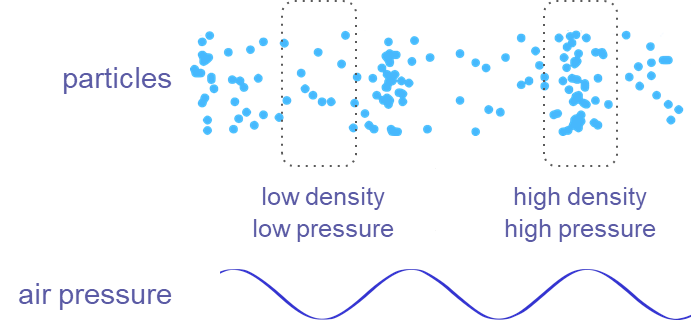
Components for sound
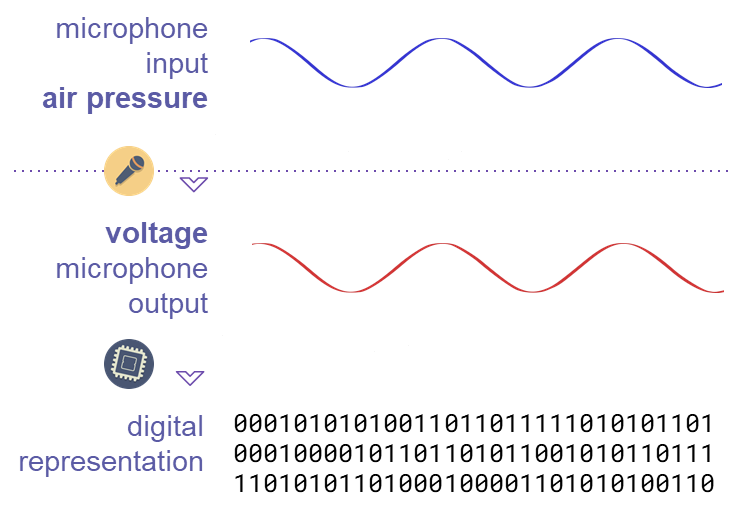
Which component is used to capture sound?
The microphone
Microphones allow devices to capture sound as electricity.
Microphones convert variations in pressure to variations in electric voltage.
Digital devices represent these waveforms as sequences of bits.
You will examine how.
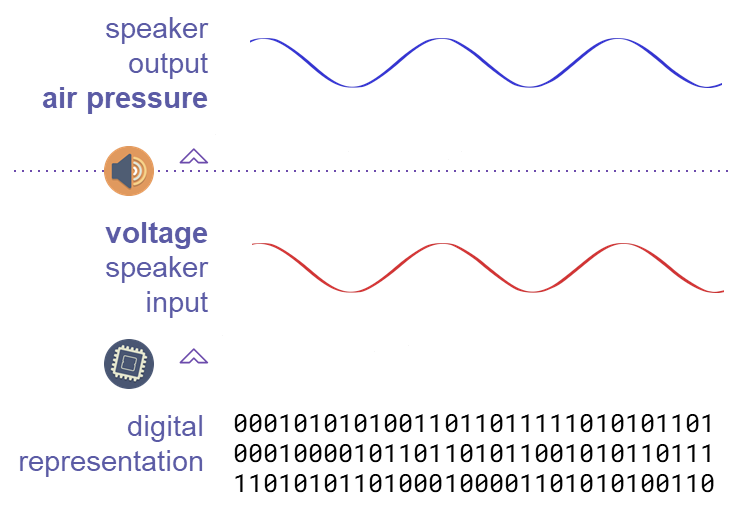
Which component is used to generate sound?
Speakers
Speakers allow devices to generate sound from electricity.
Speakers convert variations in electric voltage to variations in pressure.
Digital devices produce these waveforms from sequences of bits.
You will examine how.
🥇 Level 1 – The form of sound
Download the worksheet below you will use a sound editing program called Audacity to explore how different sounds have different forms.
Analogue and digital
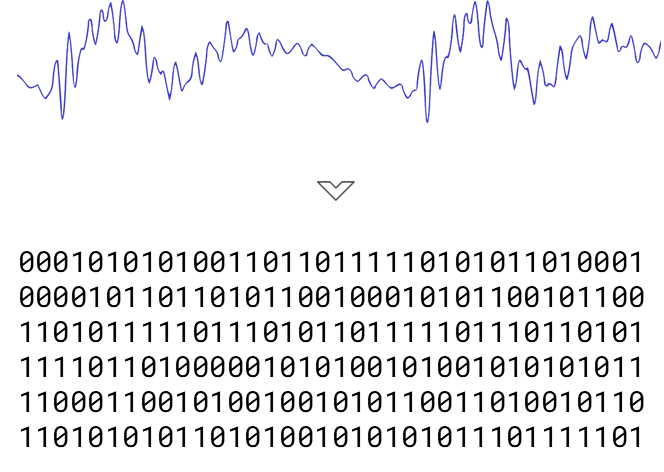
These waveforms are analogue: continuous streams; individual points can have any value.
The challenge
How can they be digitised?
How can they be represented as a sequence of binary digits?
🥈 Level 2 – Analogue and digital
Carrie is going hiking on a 10-hour trail on Mount Digi.
This is an example of how her altitude (how high she is) may change along the route.
She promises her worrying parents that she will send hourly updates with her altitude, so that they can trace how she’s doing.
Carrie’s parents say that they don’t need the details.
They agree that a rough estimate will be sufficient, i.e. a 2-bit ‘code’ for how high she is.
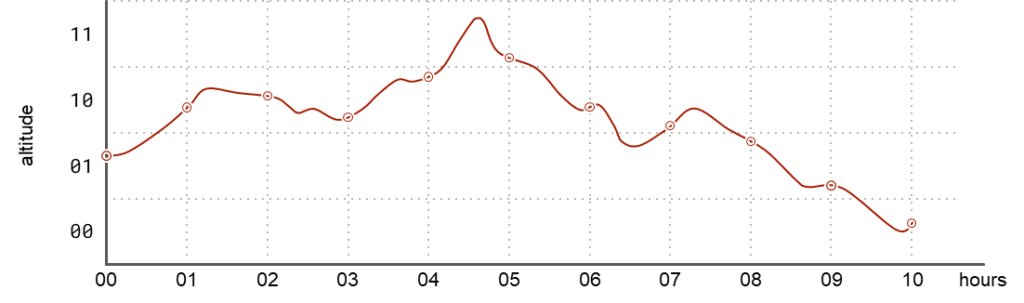
Download the worksheet below to plot Carrie’s route.
Digitising sound
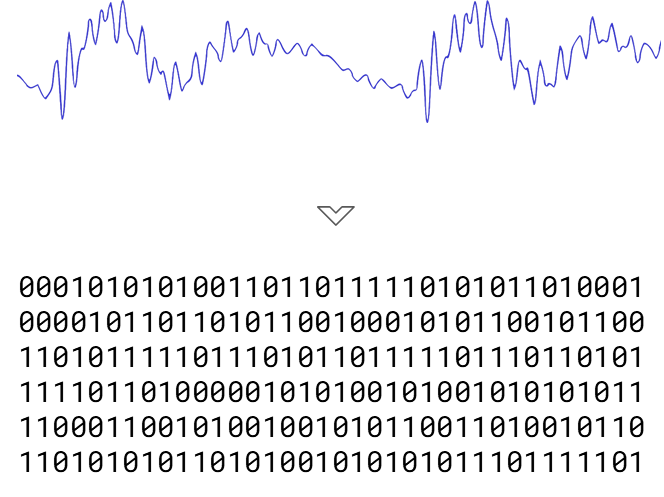
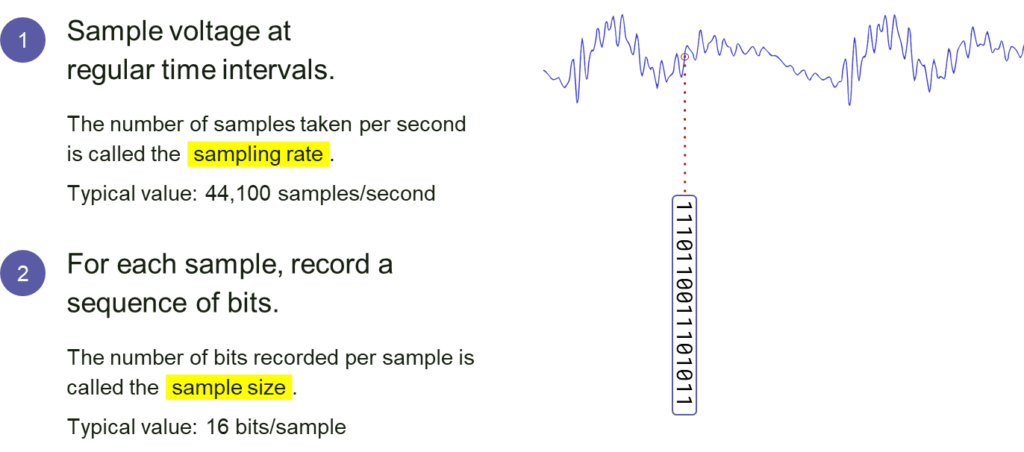
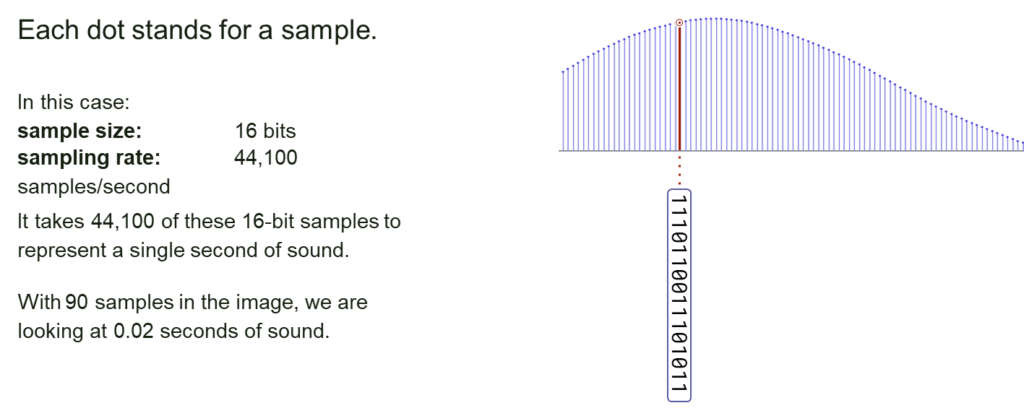
The challenge we have is to represent sound as a sequence of binary digits.
What you did in the previous activity was no different.
🏅 Level 3 – Sounds Bits
Complete the worksheet below to summarise your work from today’s lesson.
🥉 Level Up
🥇 Level 1
- Upload your completed Level 1 – The form of sounds Word file to the Teams assignment.
🥈 Level 2
- Upload your completed Level 2 – Analogue and Digital PowerPoint file to the Teams assignment.
🥉 Level 3
- Upload your completed Level 3 – Sound Bits Word file to the Teams assignment.
In this lesson, you…
- Discovered that sound is a wave
- Examined the components that are used to capture and generate sound
- Described how sounds can be represented as sequences of binary digits
Next lesson, you will…
- Compute how many bits are required to represent sound
- Use a sound editing program to apply what you learnt and experiment with sounds!